

Essential Tips and Tricks for Beginners in Graphic Designing
Graphic design is a vibrant and ever-evolving field that allows individuals to express creativity while communicating ideas visually. For those just starting their journey in graphic design, it can be both exciting and overwhelming. With so many tools, techniques, and styles to explore, it’s crucial to have a set of tricks and tips to guide you along the way.

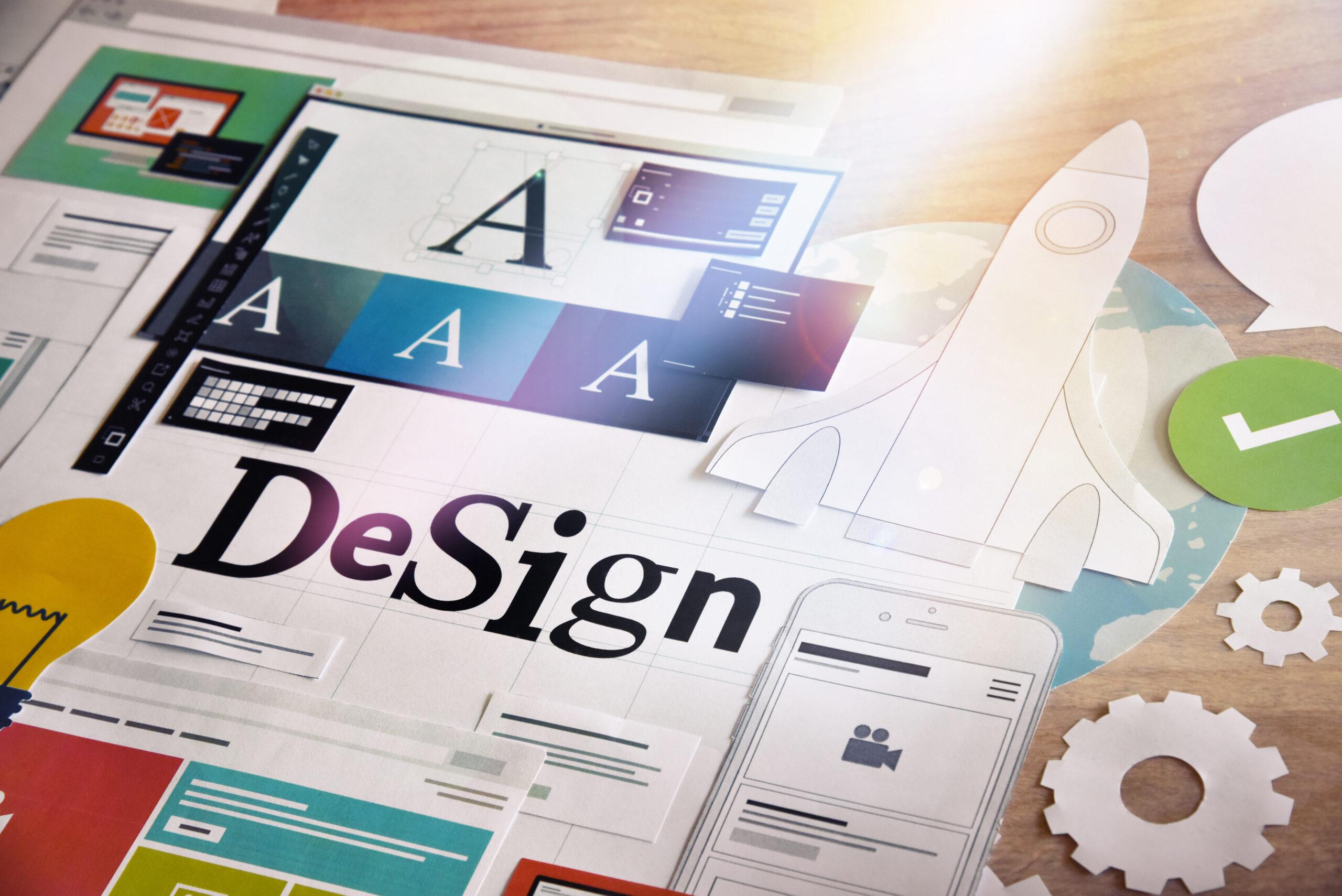
Here are some essential insights for beginners looking to make their mark in the world of graphic design.
1. Learn the Fundamentals
Before diving into complex design software, it's vital to understand the fundamental principles of graphic design. Familiarize yourself with concepts like balance, contrast, alignment, and hierarchy. These principles will serve as the foundation for all your designs. Resources like online courses, tutorials, and design blogs can provide a wealth of knowledge to help you grasp these concepts.
2. Master Design Software
While traditional design skills are crucial, proficiency in design software is equally important. Adobe Creative Suite (Illustrator, Photoshop, and InDesign) is the industry standard, but there are also powerful alternatives such as Affinity Designer, CorelDRAW, and free tools like GIMP and Inkscape. Start with one program and focus on mastering it before branching out to others.
3. Draw Inspiration from Others
Inspiration can be found everywhere! Look at the work of established designers, explore design websites (like Behance and Dribbble), and keep an eye on social media platforms like Instagram and Pinterest. Not only will this expose you to different styles and techniques, but it can also spark your own creativity. Create a mood board or collection of designs that resonate with you to help shape your personal style.
4. Practice, Practice, Practice
Graphic design is a skill honed through practice. Set aside time each day or week to work on personal projects. Challenge yourself with exercises that push your creative boundaries, such as redesigning existing logos or creating posters for fictional events. The more you practice, the more confident you will become in your abilities.
5. Embrace Feedback
Getting feedback is a critical aspect of growth in graphic design. Share your work with friends, family, or design communities to gain different perspectives on your designs. Constructive criticism can help you identify areas for improvement and motivate you to refine your style. Remember, every designer has room to grow, and feedback is a valuable tool in the learning process.
6. Keep Up with Design Trends
The graphic design field is continuously evolving, with new trends emerging regularly. Stay updated by following design blogs, attending webinars, or subscribing to online design publications. While it's essential to develop your unique style, being aware of current trends can help you create relevant and engaging designs that resonate with your audience.
7. Build a Portfolio
As you gain confidence and create more work, start building a portfolio. A strong portfolio showcases your skills and style, making it easier to attract clients or employers in the future. Include a variety of projects that highlight your abilities and thought process behind each design. An online portfolio is often more accessible, so consider platforms like Behance or your own website.
Conclusion
Embarking on a graphic design journey is an adventure filled with continuous learning and creativity. By mastering the fundamentals, practicing regularly, seeking feedback, and keeping up with trends, beginners can lay a strong foundation for a successful career in graphic design. Embrace the process, stay curious, and let your creativity soar!
Share this post:
Related Posts

The rise of Artificial Intelligence (AI) has redefined how industries operate — and the IT sector is...

In today’s rapidly advancing digital world, Information Technology (IT) has emerged as one of the mo...